

21 days.
No smartphone.
How crazy is that!
Over 70,000 students took part in 2026.
In 2027, you can be part of it too. Sign up now and get all the important updates and information.
Covered internationally, from the New York Times to Bild.
Curious about the Smartphone Experiment?
Project lead Fabian Scheck explains how the Smartphone Experiment works, how the 21 days unfold, and what the scientific evaluation shows so far.
Missed the webinar? Here's the recording.
Watch the recordingPasscode: +Nsi$qR8
How do I join?
Sign up
Sign up for free using our form below.
Start the smartphone experiment
On April 6, 2027, turn off your smartphone and put it away for three weeks - here we go.
Stick it out for 21 days
Full challenge or light variant — you decide. With the light variant, you reduce your screen time to a maximum of one hour a day and deactivate your most-used apps.
Fill out the questionnaire
Help the scientific evaluation with your feedback.
Who takes on which role?
Whether teacher, parent, or student — everyone has their own role in the Smartphone Experiment. Here you'll find all the info, materials, and answers to the most important questions, clearly laid out and put together just for you. For each of these groups, we've compiled the most important information and materials in one place.
Students
They take part in the experiment and put their smartphone aside for 3 weeks. Those who want to keep their phone take part in the survey as a control group.
OpenTeachers
They organize the experiment in class, hand out the codes for the surveys, and support students through the 3 weeks.
OpenParents
They support their child at home during the 3 weeks, help them stick with it, and provide a clear framework.
OpenSmartphone Experiment Light — Use your phone smart.
For anyone who doesn't want to, or can't, go fully phone-free.
Screen time is reduced to a maximum of one hour a day, unnecessary apps like TikTok, Instagram, Roblox, and Fortnite are deleted or deactivated, and more attention goes to real life.
- Delete unnecessary, time-wasting apps
- No phone at night and no phone after 7pm
- No phone in the bedroom
- Turn on do-not-disturb mode
- Put the smartphone in flight mode in the afternoon
- Stick to specific phone times only
- Leave unnecessary WhatsApp groups
- Plan phone-free days
How the 2027 Smartphone Experiment Works
Until Mar 19
Preparation
Sign-up is open now: school classes sign up through their teacher, everyone else directly — you'll get all the info and a personal participation code.
Mar 30 – Apr 5
First survey
The first questionnaire (T1) records mood, sleep, and phone use before the experiment starts.
Apr 6
Start
Smartphones get put away — the experiment begins.
Apr 27
End
After three weeks the challenge is over, and the second questionnaire (T2) is filled out.
Jun 1–3
Long-term effect
Six weeks later, the third questionnaire (T3) shows what has stuck from the experience.
You decide.
Voices from the 2026 Experiment
What participants say after the 21 days.
“I rediscovered my love of handicrafts. It's a lot more freeing not to be on your phone, but knitting instead, for example.”
Sophia, 11
“I've become a lot calmer and didn't get angry as quickly anymore. When my brother annoys me, I don't snap as fast as I used to.”
Timo, 12
“I was able to spend a lot more time on my hobby. I play volleyball, and I also met up with my best friend a lot more often.”
Sara, 12
“I used to be in a tennis club with my parents. Since I got a phone, I didn't feel like playing tennis anymore. Now I've started again, and I enjoy it a lot.”
Andrea, 13
“They listened to us better, participated in class for longer, were a lot more focused. I saw happy, well-rested faces.”
Ingrid, 45
How It All Started
In 2025, 69 students across three classes at Konrad Lorenz Gymnasium in Gänserndorf took the first leap: 21 days without a smartphone. ORF journalist Lisa Gadenstätter and her Dok1 team documented the experiment in an exciting documentary.
When the episode aired in September 2025, it reached hundreds of thousands of people on ORF 1 and ORF ON — the New York Times and Bild also covered it.
The response was so big that teachers and students from all over Austria got in touch afterward, wanting to try the experiment themselves. That led to the nationwide relaunch in March 2026, in which more than 72,000 children and teens from Austria, Germany, Switzerland, South Tyrol, and Liechtenstein took part.
The First Round
Over 72,000 children and teens took part in the Handyexperiment 2026.
What the Science Shows
Monitored by the Anton Proksch Institute, Sigmund Freud University and IR&C. About 46,000 questionnaires evaluated from the 2026 Handyexperiment.
students
schools
questionnaires
countries
in favor of restrictions
Completion rate
2 out of 3 students made it all the way.
“Today I had the most important realization of the whole experiment: I'm happier without my phone.”
Marie, 16, participant
Problematic internet use
Problematic internet use dropped by 13 percentage points.
0%
Before
0%
After
“I'm outside so much more now. Before, I was mostly inside.”
Lisa, 15, student
Screen time saved
0
hours of screen time saved, in the full-abstinence group alone
= 841 years of screen time
That's more hours than a single person could spend in 100 lifetimes.
“Snapchat streaks don't matter to me anymore. You really notice how pointless it is.”
Felix, 16
What the Media Says
Coverage of the 2026 Handyexperiment.
Covered internationally too, from the New York Times to Bild.



The People Behind the Experiment
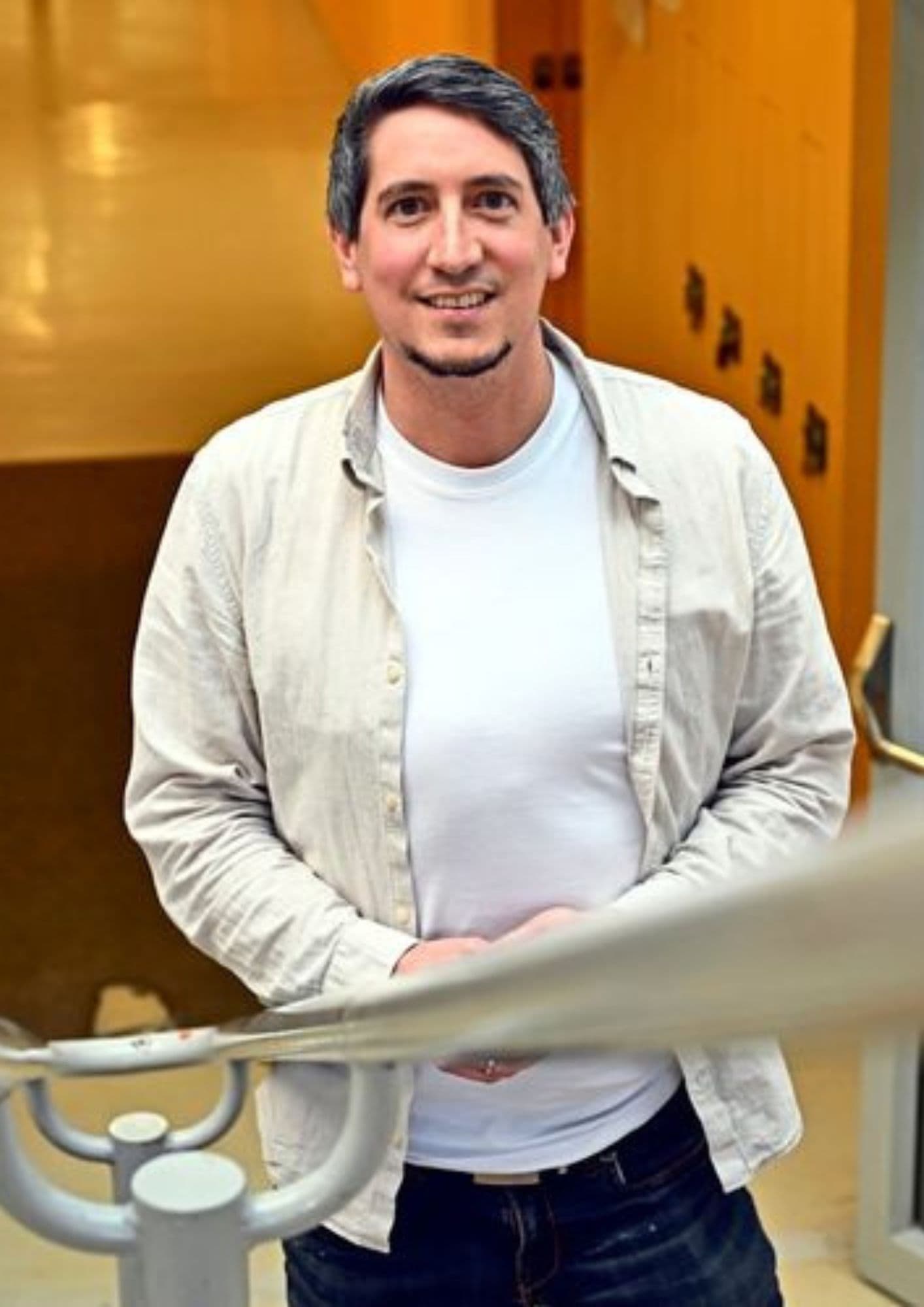
Fabian Scheck
Project Lead, Konrad Lorenz Gymnasium
“It's amazing to see what grew out of our regional self-experiment in Gänserndorf. What keeps surprising me is how much calm and self-insight people can gain once the smartphone stays off for three weeks.”
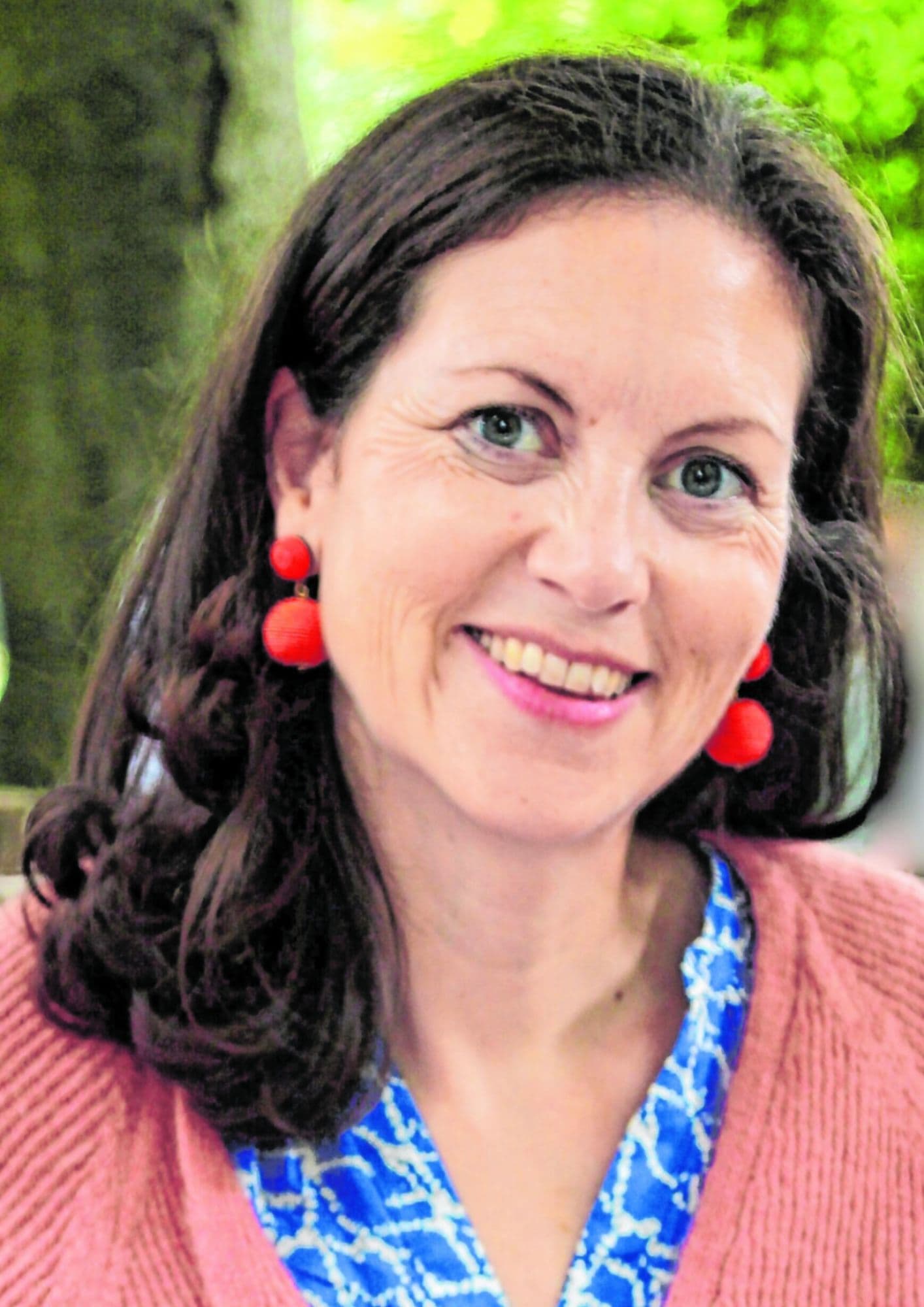
Verena Holler
Founder, Smarter Start
“Many children and teenagers can no longer imagine life without a smartphone. That's exactly why the Smartphone Experiment offers a unique opportunity: giving it up together, for a limited time and with support, lets them experience what actually changes when the phone is unavailable for a few weeks. That's where the project's real value lies — it's not a theoretical discussion about media use and wellbeing, but teenagers making their own experience and finding out what's actually good for them.”

Oliver Scheibenbogen
Scientific Advisor
“The data shows very clearly how much sleep and wellbeing can change after just three weeks. From a psychological perspective, the Handyexperiment makes complete sense and is an exciting intervention with real added value.”
What Experts Say
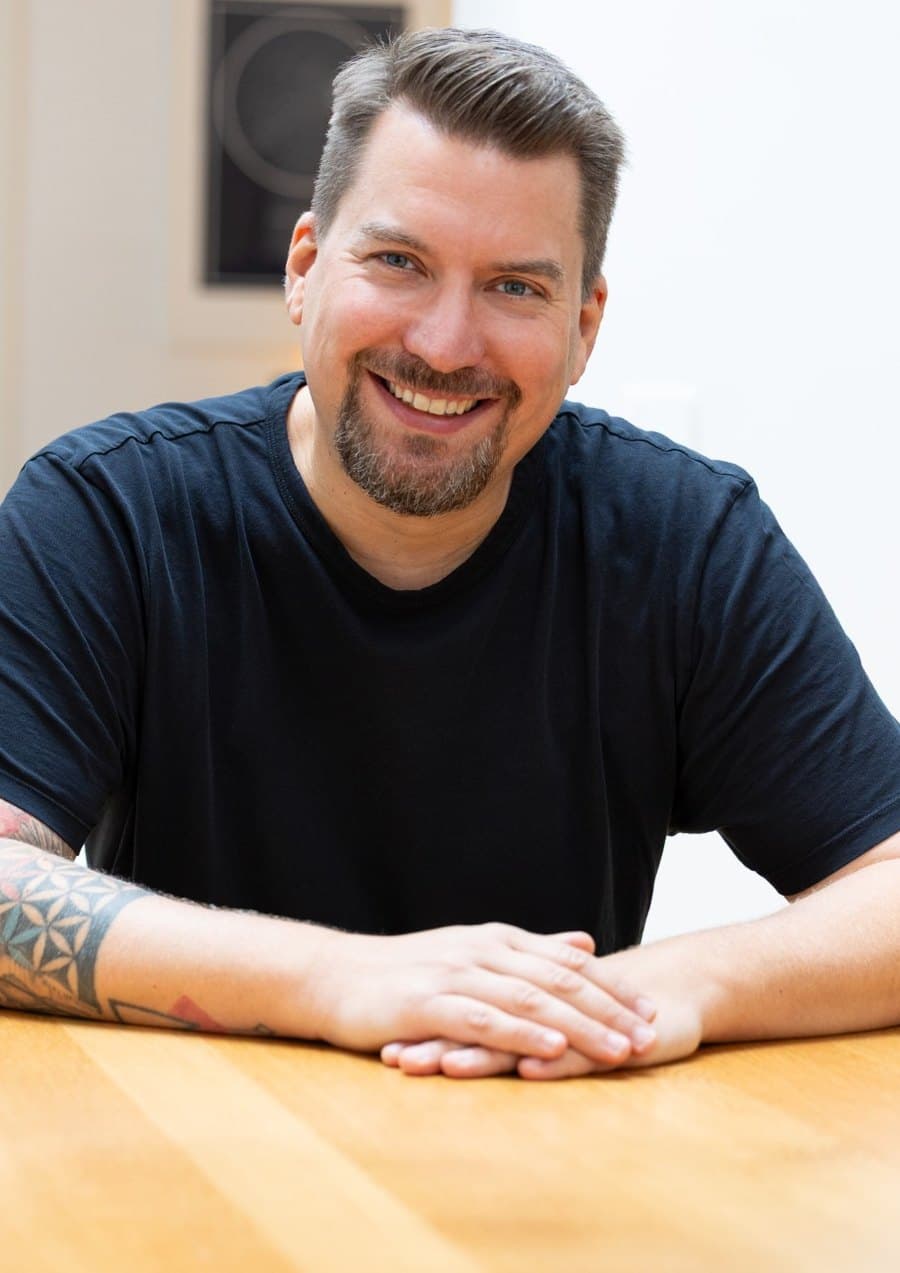
“I think the Smartphone Experiment is great because it gives young people an experience that is new to them. This experience helps them decide for themselves what place the smartphone should have in their lives in the future. You have already changed a great deal with the Smartphone Experiment.”Translated from the German original
Tobias Dillinger